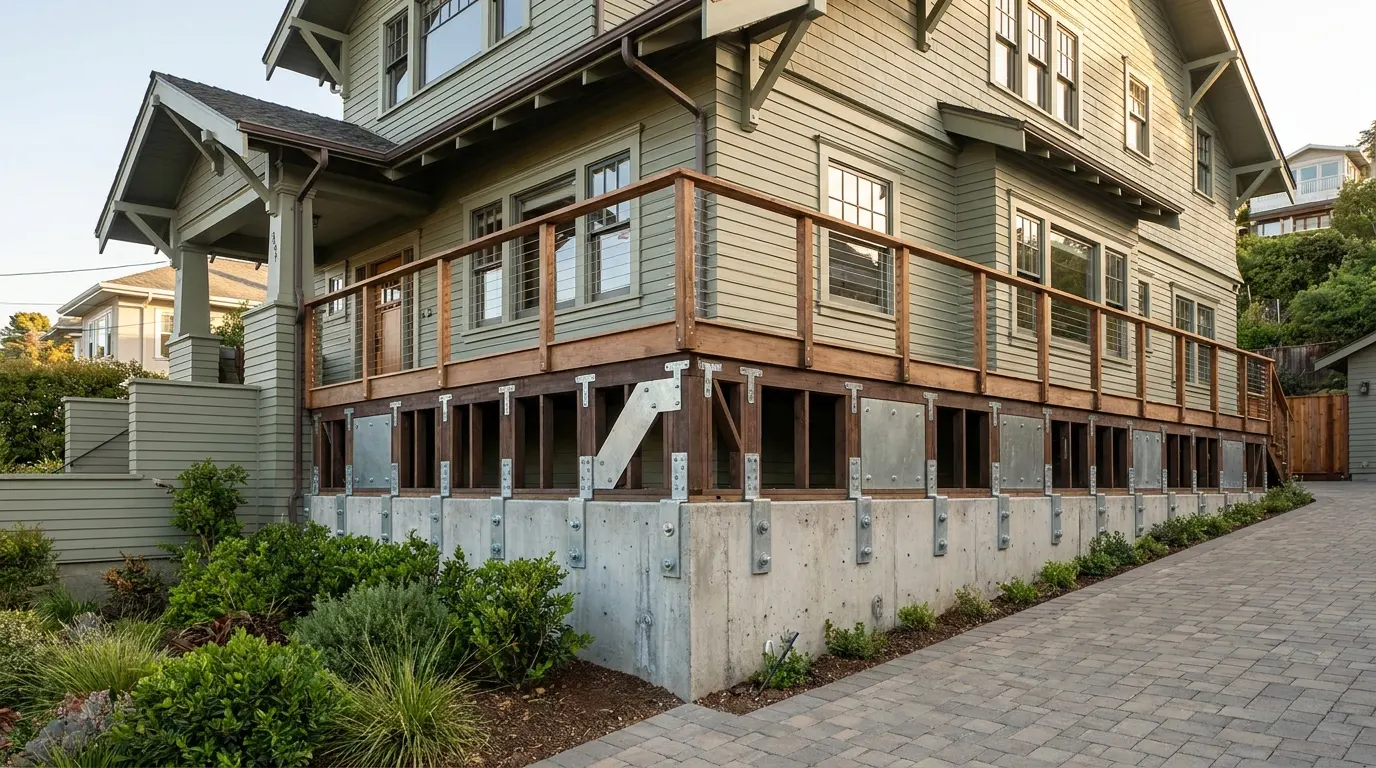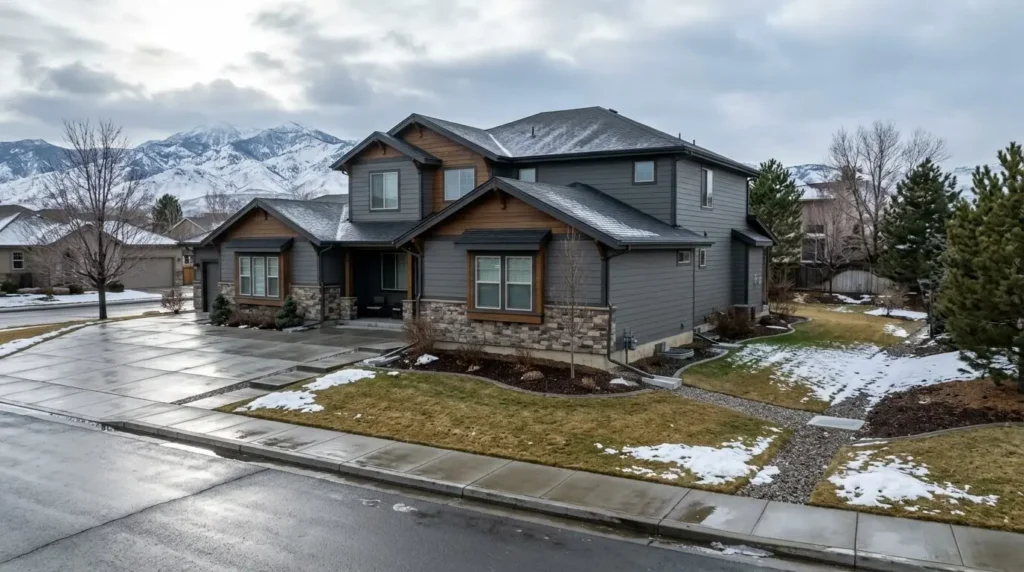
A practical guide to winter home maintenance, property drainage, foundation protection, and preparing for potential flood damage in Reno and Washoe County.
Winter weather in Reno, NV, can create challenges for residential properties. Heavy rainfall, changing temperatures, seasonal snow-melt, and frozen ground conditions can affect how water moves around a home. For some homeowners, these conditions may lead to poor exterior drainage, water accumulation near foundations, or moisture entering lower-level spaces.
The risk is not the same for every property. Homes located near waterways, low-lying areas, sloped terrain, or properties with existing drainage problems may face different water-related concerns.
According to the National Weather Service, Nevada flooding can result from heavy rainfall, snow-melt, and rain falling over existing snow-pack. These conditions can contribute to rising water levels in rivers and streams, including the Truckee River.
For homeowners, effective winter flood preparation in Reno, NV starts with understanding the property’s surroundings, identifying potential water entry points, and addressing maintenance concerns before winter storms arrive.
After more than 25 years in residential construction and remodeling, I have learned that many costly home problems begin with smaller issues that go unnoticed. A poorly directed downspout, deteriorating exterior materials, or an existing foundation concern may not seem urgent during dry weather. However, these conditions deserve attention before they contribute to more extensive property damage.
At AYA Homes, I believe good construction starts with understanding how a home works as a complete system. Here are seven practical ways Reno homeowners can prepare their properties for winter weather.
1. Understand the Winter Flood Risk Around Your Property
Not every property in Reno and Washoe County faces the same flood risk.
Some homes may experience surface runoff from sloped terrain, while others may have drainage concerns around driveways, foundations, or low-lying sections of the property. Areas near rivers, creeks, and other waterways may also have different flood exposure.
The Truckee River is an important consideration for the Reno-Sparks region. Heavy rainfall, warm temperatures, and Sierra Nevada snow-melt can contribute to changing water levels and increased runoff.
Before winter arrives, I recommend reviewing the conditions around your property.
Consider these steps:
- Identify nearby rivers, creeks, drainage channels, and low-lying areas.
- Observe how water moves across your property during rainfall.
- Check whether previous storms caused water to collect near the house.
- Review the property’s history of water intrusion or drainage problems.
- Understand whether neighboring construction or landscaping has changed local runoff patterns.
Homeowners can also use the official FEMA Flood Map Service Center to review available flood hazard maps for a specific property.
Understanding the Washoe County flood risk around your home can help you make more informed decisions about maintenance, drainage improvements, and insurance considerations.
2. Inspect Gutters and Downspouts Before Winter Storms
Gutters and downspouts play an important role in directing rainwater away from a home’s exterior walls and foundation.
When gutters become blocked by leaves, dirt, pine needles, or other debris, water may overflow near the roof-line and collect around the foundation. Over time, repeated water exposure can contribute to moisture problems and deterioration of exterior building materials.
Before winter, inspect:
- Gutters for leaves, dirt, and blockages.
- Downspouts for proper water flow.
- Connections for leaks or loose sections.
- Downspout outlets to ensure water is directed away from the foundation.
- Areas below roof edges where water frequently collects.
- Visible gutter damage or sections that have pulled away from the roof.
Make sure downspouts discharge water in a way that does not create new drainage problems for neighboring properties or surrounding structures.
Regular gutter maintenance is a straightforward part of home flood protection in Reno. It helps manage roof runoff and reduces unnecessary water exposure around the house.
3. Check Property Grading and Exterior Drainage
Property grading is an important part of managing surface water around a residential structure.
The ground immediately surrounding a home should generally slope away from the foundation so that rainwater does not collect against exterior walls.
Over time, landscaping changes, soil settlement, patio construction, and other exterior improvements can affect the way water moves across a property.
I recommend checking for:
- Low spots near exterior walls.
- Soil that slopes toward the house.
- Water collecting beside the foundation.
- Drainage paths blocked by landscaping.
- Changes in ground level around patios and walkways.
- Areas where runoff flows toward garage entrances or lower-level doors.
If water repeatedly collects near the home, the property’s grading and drainage conditions may need professional evaluation.
Property drainage in Reno, NV, should be considered in relation to the entire site. Making significant grading changes without understanding the surrounding drainage patterns can create problems for neighboring properties or existing structures.
The goal is to identify how water moves across the property and determine whether improvements are needed to direct it away from vulnerable areas.
4. Pay Attention to Foundation and Lower-Level Warning Signs
Water-related problems do not always begin with visible flooding.
Sometimes, homeowners first notice changes inside the house or around the foundation. Small moisture problems can gradually affect building materials if the underlying source is not identified.
Before winter storms, inspect accessible foundation areas, basements, and crawl spaces where applicable.
Look for warning signs such as:
- New or widening cracks in foundation walls.
- Water stains near the bottom of interior walls.
- Dampness or moisture in lower-level spaces.
- Persistent musty odors.
- Changes in flooring near exterior walls.
- Water entering through basement or crawl-space areas.
- Deteriorating exterior materials near the foundation.
Not every crack or stain indicates serious structural damage. However, recurring moisture, noticeable changes, or water entering the building deserve attention.
With my engineering background, I approach these situations by looking beyond the visible symptom. Understanding where the water originates and whether it is affecting building materials or structural components is an important part of planning appropriate repairs.
If you notice persistent foundation moisture or structural changes, consider having the condition evaluated by a qualified professional.
5. Review Roof Conditions and Exterior Openings
The roof and exterior envelope are the home’s first lines of defense against rain, snow, and changing winter conditions.
Even a relatively small opening can allow moisture to enter and gradually affect insulation, drywall, framing, and interior finishes.
Before winter, review the following areas:
- Missing, damaged, or deteriorating roof shingles.
- Roof flashing around chimneys and vents.
- Roof-to-wall connections.
- Window and door seals.
- Exterior siding and trim.
- Visible gaps around utility openings.
- Areas where roof drainage may be directed toward exterior walls.
Pay particular attention to flashing and connections where different building materials meet. These locations can become vulnerable to water intrusion when seals deteriorate or materials shift over time.
Addressing visible maintenance concerns early is generally easier than dealing with more extensive repairs after water has entered the home.
For homeowners considering roof repairs or exterior improvements, the condition of the existing materials and the overall construction of the house should guide the repair approach.
6. Monitor Early Signs of Water Damage After Heavy Rainfall or Snow-melt
Winter preparation does not end after the initial inspection.
Following periods of heavy rainfall, warmer temperatures, or significant snow-melt, take time to check areas of the home that are more vulnerable to moisture.
I recommend reviewing:
- Basements and crawl spaces.
- Garages and utility areas.
- Rooms along exterior walls.
- Ceilings below roof areas.
- Areas near windows and exterior doors.
- Flooring and baseboards near potential water entry points.
Common warning signs include:
- Discoloration on ceilings or walls.
- Peeling paint or bubbling finishes.
- Swollen baseboards or flooring.
- Damp insulation.
- Persistent moisture or musty smells.
- Visible water around utility areas.
If water enters the home, prioritize safety before beginning cleanup.
Avoid contact with standing water near electrical equipment, and do not enter areas that may have structural or utility hazards. Contact qualified professionals when necessary.
It is also important to photograph visible damage, keep records of affected areas, and contact your insurance provider promptly if you need to initiate a claim.
Identifying water damage early can help homeowners understand the extent of the problem before deciding on repairs.
7. Plan Professional Repairs Before Small Problems Become Larger Ones
Preventive maintenance can help homeowners identify concerns, but some conditions require a closer evaluation.
Recurring water intrusion, deteriorating foundation materials, damaged framing, or extensive moisture behind finished walls may require professional assessment.
Depending on the condition of the property, repairs may involve:
- Replacing damaged drywall, insulation, and interior finishes.
- Repairing deteriorated framing or other building materials.
- Addressing damaged exterior components.
- Evaluating foundation-related concerns.
- Planning appropriate remodeling or reconstruction work.
I believe the right approach is to understand the cause before deciding on the repair. Replacing damaged interior finishes without addressing the source of moisture may allow the same problem to return.
For homeowners considering flood damage repair in Reno, identifying the source of water intrusion is an important first step.
At AYA Homes, we approach residential construction and remodeling projects from both an engineering and construction perspective. Our focus is on understanding how individual building components work together and how proposed improvements affect the overall home.
What Should You Do If Your Home Experiences Flood Damage?
Even with careful preparation, severe weather can still affect a property. If your home experiences flooding or significant water intrusion, the first priority should be the safety of everyone in the household.
Consider these steps:
- Prioritize safety: Follow local emergency instructions and avoid entering flooded or potentially unstable areas.
- Avoid electrical hazards: Stay away from standing water near electrical panels, outlets, appliances, and damaged wiring.
- Document visible damage: Photograph affected rooms, building materials, utilities, and personal property for insurance records when it is safe to do so.
- Contact your insurance provider: Report the damage promptly and ask about documentation and claim requirements.
- Arrange professional assessments: Have potentially damaged structural components, electrical systems, and other building systems evaluated by qualified professionals.
- Determine the repair scope: Establish whether the property needs localized repairs, structural work, or more extensive reconstruction.
- Check local permit requirements: Confirm whether demolition, repairs, or rebuilding require permits before regulated work begins.
Understanding Local Permits for Flood Damage Repairs and Rebuilding
Significant flood damage can involve more than replacing flooring, drywall, or other interior finishes. Depending on the extent of the damage, structural repairs, demolition, utility work, and reconstruction may require permits and supporting construction documents.
For homeowners in Reno and Washoe County, the applicable permitting authority depends on the property’s location.
Unincorporated Washoe County
According to the Washoe County Building Program’s Natural Disaster Rebuild and Repair guidance, the County handles building and demolition permits for properties in unincorporated Washoe County, outside the cities of Reno and Sparks.
Depending on the project, residential repair and rebuilding applications may require:
- A completed permit application.
- Architectural and structural drawings.
- Civil engineering plans, where applicable.
- Electrical, mechanical, and plumbing drawings.
- Structural calculations.
- Geotechnical reports, where required.
- Other supporting documents based on the scope of work.
The County’s September 3, 2026 natural disaster guidance also describes a process for prioritizing qualifying disaster-related demolition, repair, and rebuilding permit applications.
Homeowners can review the Washoe County Building Program for current requirements, residential project handouts, and permitting information. Applications are submitted through the One NV permitting portal.
Properties Within Reno City Limits
The City of Reno has a separate damage assessment process for properties affected by events such as fire, flood, and wind damage.
According to the City’s Building Permits information, homeowners can request a damage assessment through the One NV portal. The resulting Structure Damage Report identifies applicable permit requirements and is required as part of a structure damage demolition or repair permit application.
For details, visit the City of Reno Building Permits page.
Properties Within Sparks City Limits
Properties within Sparks follow the city’s applicable building and permitting procedures. Homeowners should confirm demolition, repair, and rebuilding requirements directly with the City of Sparks before beginning construction work.
Why Professional Planning Matters
For extensive repairs or reconstruction, a Nevada-licensed design professional, such as an engineer or architect, may be needed to prepare plans and supporting documents. Licensed contractors are responsible for construction work within the scope of their licenses and applicable regulations.
The required documentation and permit process depend on the property location, building type, and extent of the damage.
Understanding these requirements early can help homeowners plan their projects more effectively and avoid unnecessary delays.
A Practical Approach to Winter Home Preparation
Preparing a home for winter flooding is not about making every property completely floodproof. It is about understanding potential vulnerabilities, maintaining important building components, and addressing problems before they become more extensive.
A careful review of gutters, roof conditions, exterior grading, property drainage, and foundation areas can help homeowners identify concerns before winter weather becomes more challenging.
For properties in Reno and Washoe County, local site conditions and applicable building requirements should guide decisions about repairs and improvements.
I have always believed that good construction is about more than completing the immediate task. It is about understanding how a home performs, identifying potential problems, and making decisions that support its long-term condition.
That same principle applies to winter home preparation.
Planning Home Repairs or Improvements in Reno?
At AYA Homes, LLC, we bring more than 25 years of residential construction and remodeling experience to projects throughout Reno, Northern Nevada, and the San Francisco Bay Area.
Founded by Shawn Ajdari in 2001, AYA Homes combines engineering discipline, building experience, and personal attention to residential construction and remodeling projects.
Whether you are considering foundation-related improvements, exterior repairs, whole-home remodeling, or a larger residential construction project, understanding the property’s existing condition is an important first step.
Prepare your home for the winter season with thoughtful planning and quality construction.
If you are planning home improvements in Reno or Washoe County, contact AYA Homes to discuss your residential construction or remodeling project.

Shawn Ajdari
Founder & General Contractor
AYA Homes, LLC
Frequently Asked Questions
1. When is the risk of flooding highest in Reno, NV?
Winter and early spring can bring increased flood concerns due to heavy rainfall, snow-melt, and changing river conditions. However, flash flooding can occur at other times of the year as well. Local weather conditions and property location influence individual flood exposure.
2. How can I protect my home’s foundation from winter water damage?
Start by checking gutters, downspouts, exterior grading, and drainage around the foundation. Look for low areas where water collects near the house. If moisture repeatedly enters the property, consider a professional evaluation.
3. What are the early signs of water damage inside a home?
Water stains, peeling paint, swollen baseboards, damp insulation, musty odors, and recurring moisture are common warning signs. These conditions should be investigated to identify the source of the water.
4. How can I check my property’s flood risk in Washoe County?
Homeowners can review available flood hazard information through the FEMA Flood Map Service Center. A property’s location, surrounding terrain, and drainage conditions can all influence flood exposure.
5. Do I need a permit to repair flood damage in Washoe County?
Permit requirements depend on the property’s location and the scope of work. Structural repairs, demolition, and reconstruction may require permits. Properties in unincorporated Washoe County follow the County’s permitting process, while Reno and Sparks have their own procedures. Check with the relevant building department before beginning regulated work.
6. What should I do after my home experiences flood damage?
Prioritize household safety, avoid electrical hazards, document visible damage, and contact your insurance provider. Arrange appropriate professional assessments before beginning repairs or reconstruction.
7. Can home remodeling address existing water-related problems?
Depending on the underlying cause, a construction or remodeling project may include repairing damaged building materials, addressing structural concerns, and rebuilding affected areas. The source of the water intrusion should be evaluated before planning the work.